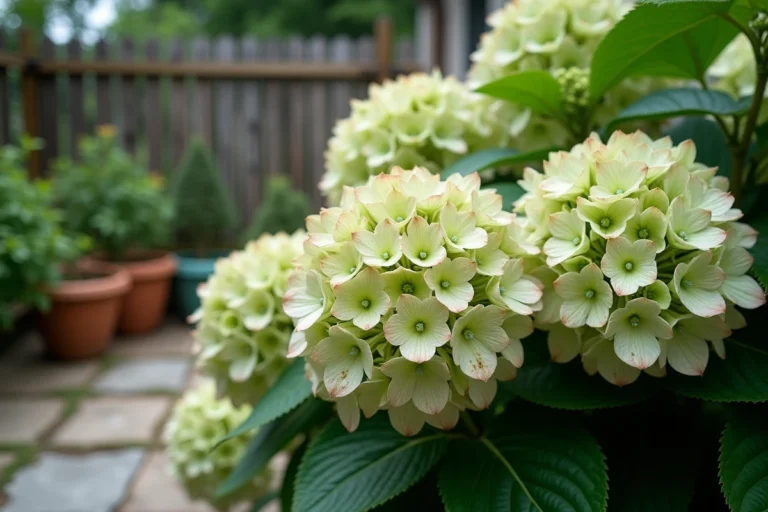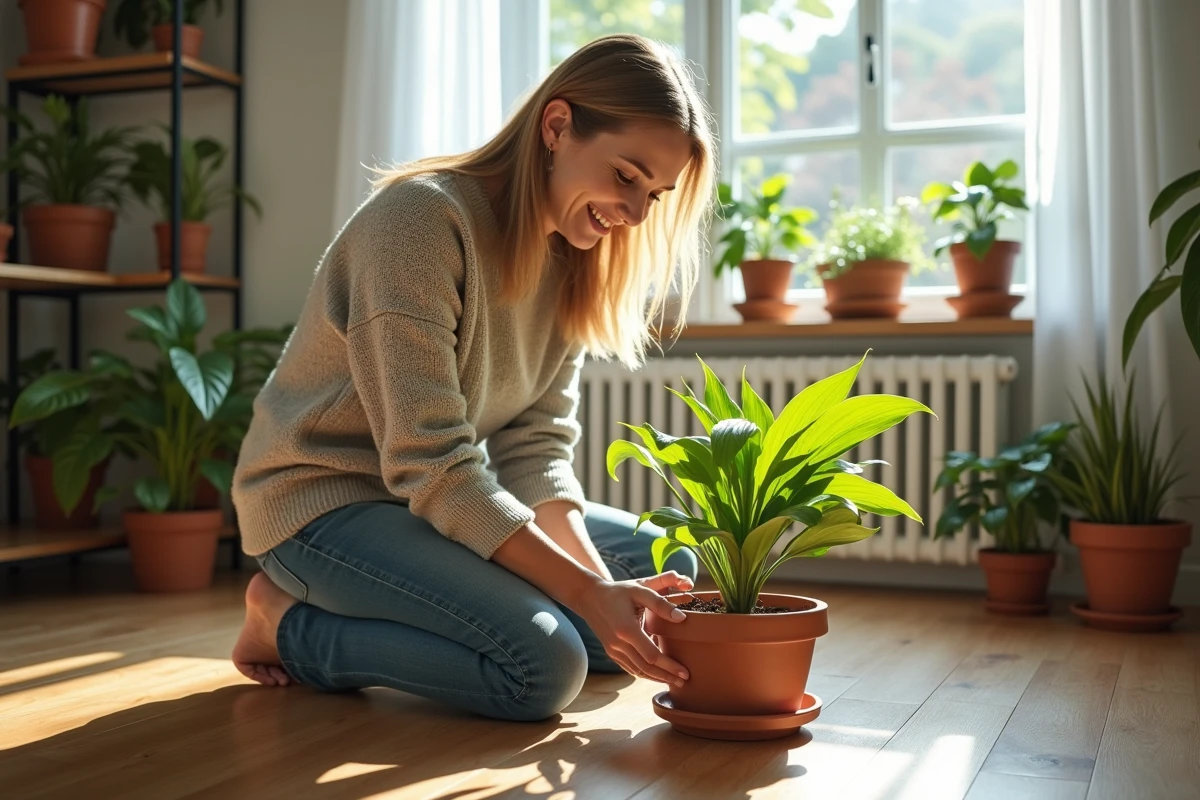
A compacted soil limits root growth, even in a perfectly green lawn. Nitrogen, although essential, can sometimes be counterproductive if poorly dosed or unevenly distributed. Some plants, known for their robustness, wither in the face of drafts overlooked during the design of an outdoor space.
Traditional maintenance habits are no longer sufficient to ensure the vitality of an outdoor area throughout the year. The parameters are changing: unpredictable weather, specific plant needs, financial constraints. Adapting each action, choosing each tool or plant with discernment, becomes the key to shaping an environment that is both harmonious and sustainable.
What are the fundamentals for designing a pleasant and functional garden?
Creating an outdoor space, whether a green terrace or a patch of greenery, relies on a balance between visual pleasure, practical use, and adaptation to local weather. Start by analyzing the intended uses: do you want to create a relaxation area, a play space, a vegetable garden, or a convivial gathering place? Each of these functions imposes specific choices regarding materials, furniture, or garden plants.
A well-thought-out landscaping plan provides coherence and facilitates long-term maintenance. Imagine natural pathways, plan shaded corners, and open up views to the outside. The layout of paths, the arrangement of flower beds, the selection of trees for structure or wind protection: each element influences the atmosphere and comfort.
To ensure a lasting flowering garden, focus on plants suited to the local climate. Choose robust species that are water-efficient, require little maintenance, but offer generous blooms. Beds combining perennials and grasses create a stable structure that evolves with the seasons, without needing constant renewal.
If you are looking for reliable advice and feedback for landscaping your garden, the site https://tamaisontonjardin.net/ is full of practical resources to transform a patch of greenery into a paradise garden. Landscaping is never just about appearance: it involves anticipating maintenance organization, watering, managing green waste, and preserving biodiversity. Multiply the atmospheres, combine Japanese garden plants or Mediterranean ones, and work with textures: each choice contributes to creating a living ensemble designed to last, which does not become tiresome.
Garden and home through the seasons: ideas for layouts and essential actions
Spring: the awakening of the garden
During this time, several actions are necessary to stimulate the resumption of vegetation:
- Aerate the soil and enrich it with mature compost to boost the growth of perennial plants.
- Prune summer-flowering shrubs, plant new flowers, and start the first vegetable sowings to ensure a productive garden as the nice weather arrives.
Spring requires special attention to watering: adjust the frequency according to the weather and monitor young shoots, which are particularly vulnerable to water shortages.
Summer: preserve and enhance
During the hot season, the goal is to help the garden withstand heat spikes. Install mulch to slow evaporation and maintain root coolness. Gardening tips emphasize moisture preservation and precise watering management. Also, remember to regularly remove faded flowers: this stimulates the growth of new shoots and keeps the garden looking tidy. Stay vigilant for any signs of diseases or pests, which often thrive in the heat.
Autumn: prepare for the next season
In autumn, harvest the last vegetables, add organic amendments, and plant the bulbs that will bloom the following spring. It’s also time to clean and store equipment while protecting fragile plants as the first cold weather approaches.
Winter: protect and anticipate
Winter invites you to take a step back and observe. Shelter sensitive plants, check the overall condition of the house and outdoor furniture, and think about upcoming layouts. This period of vigilance prepares for the success of the following cycles and allows you to start the future gardening season on solid foundations, both for the garden and the home.
Economic and ecological tips for sustainably maintaining your spaces
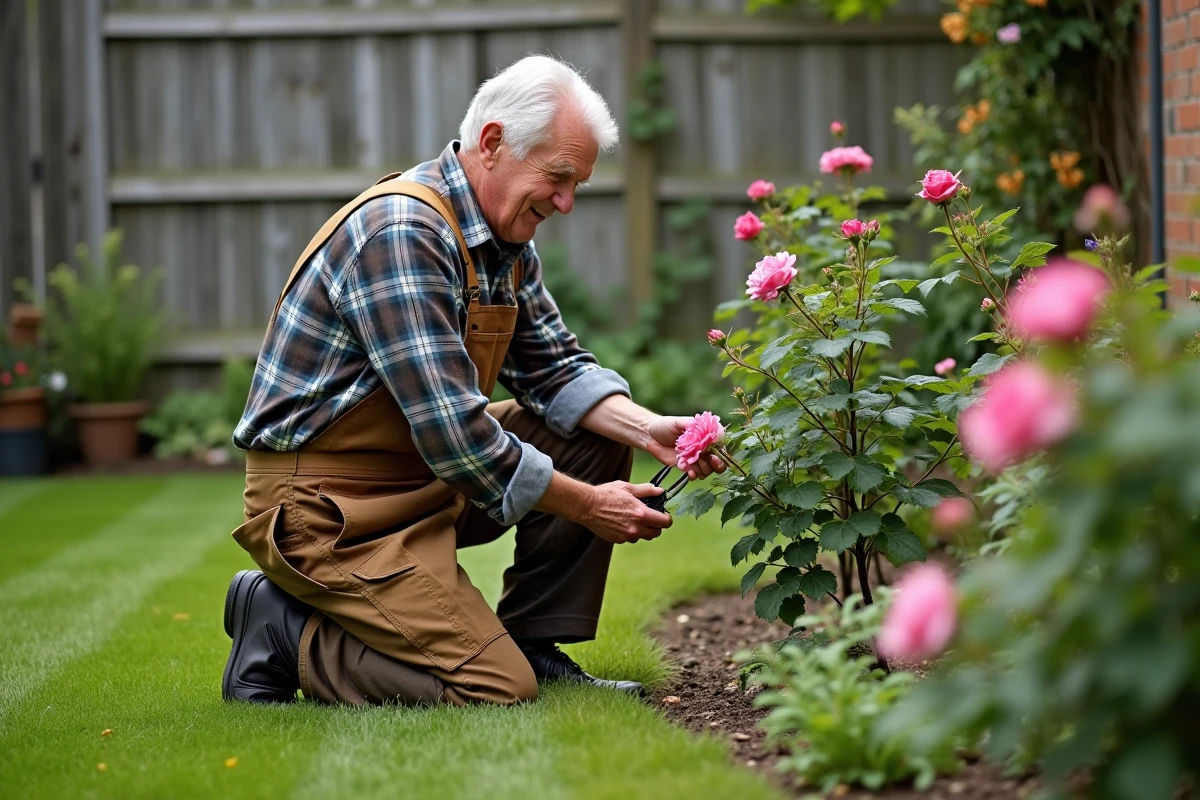
Maintaining the home and garden without wasting or polluting requires thought and appropriate actions. Favor natural solutions to care for plants and keep outdoor areas in shape: nettle manure, for example, strengthens plant resistance while protecting them from certain pests, and respects biodiversity. Mulching with grass clippings or fallen leaves retains moisture and slows the growth of unwanted weeds, thus reducing the frequency of watering.
To limit waste, adopt composting: transform peels, clippings, and branches into high-quality humus, ideal for enriching flower beds and vegetable gardens. This simple action reduces the amount of waste to be disposed of and nourishes the soil over time.
Watering can also be optimized through rainwater harvesting. Install a tank connected to a downspout and take advantage of this free resource, perfectly suited for most plants. Water preferably early in the morning or in the evening to limit evaporation and maximize the effectiveness of each drop.
Indoors, turn to eco-friendly cleaning products to keep the house clean without resorting to harsh substances: white vinegar, baking soda, black soap… These simple products protect everyone’s health and lighten the environmental footprint. It is these actions, repeated daily, that create a balanced, pleasant, and responsible living environment, season after season.
At the first shower or under a summer sky, every detail counts. A well-thought-out home and garden withstand the seasons without faltering, and this is often where true satisfaction lies.