No sandwiches served, no hidden vending machine behind the last seat. On a Blablabus, everyone manages their hunger, but with one non-negotiable condition: respect other travelers and the impeccable state of the bus. Alcohol is not allowed either; the rule is clear, immediate exclusion in case of a breach.
Planning your meal quickly becomes a matter of common sense. Some departures take place from deserted bus stations outside peak hours. The scheduled stops during the trip do not necessarily lead to an open café or a welcoming bakery. Bringing something to sustain you on the road is therefore a basic precaution. Nothing is more frustrating than spending two hours dreaming of an elusive snack.
Eating on a Blablabus: what is possible and what is not
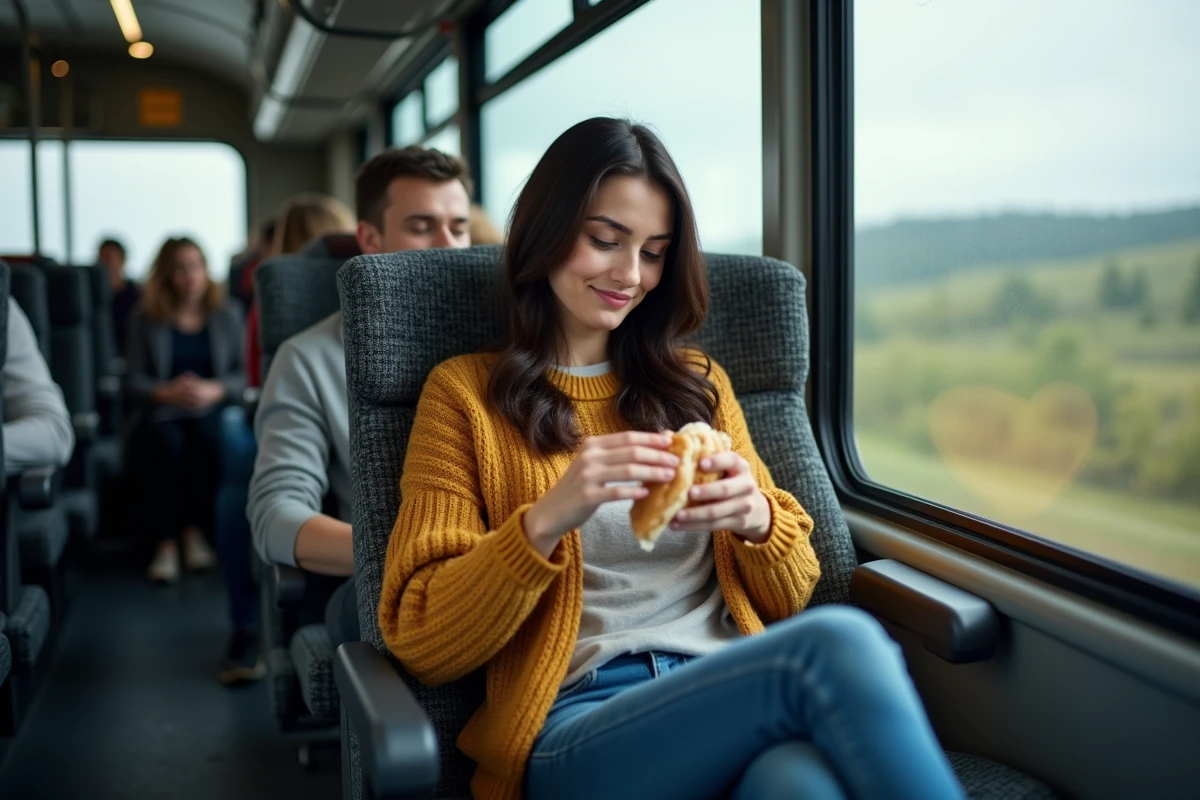
Devouring a sandwich or discreetly nibbling on a cereal bar aboard a Blablabus is doable, but never at the expense of cleanliness or the ambient calm. The rule leaves no room for ambiguity: alcoholic beverages are prohibited, with the risk of being kicked off at the first opportunity. For everything else, soft drinks are allowed, provided you don’t turn your seat into a sticky zone or inconvenience your neighbors.
When it comes time to choose what to bring, prioritize items that are easy to manage. Taking food with a strong smell or that could trigger an allergy in a neighboring passenger risks drawing disapproving looks, or worse. Waste travels with you until the next break: no roaming trash cans in the central aisle. The stops, welcome for stretching your legs, also allow for more relaxed eating, but without the guarantee of a snack nearby.
Comfort varies by model. On sleeper buses, the space allows you to lie down, and the restroom is more practical for families or during night trips. Classic lines offer reclining seats, clever storage, sometimes wifi, but the same imperatives apply to snacks: discretion, respect, and anticipation.
For a precise overview of the customs and rules, take a look at what you need to know to eat on a Blablabus. This guide gathers everything related to regulations, comfort, and good relations among travelers.
What are the rules to follow for consuming food on board?
Traveling by coach means sharing a confined space with strangers: even the slightest negligence is noticeable. To limit inconveniences, prefer snacks that leave no trace or smell, like a handful of almonds or a simple, carefully wrapped sandwich. A bottle of water is enough to stay hydrated without the risk of spills.
The bus cleaning only happens at the end of the trip, so each passenger must manage their waste. Keep wrappers and leftovers in a bag until the next stop; nothing is provided to collect trash during the journey. Breaks vary by line: sometimes frequent, sometimes rare. It’s better to be prepared.
Here are the main rules to keep in mind before boarding:
- Non-alcoholic beverages are accepted, to be consumed in moderation.
- Alcohol is excluded, without exception.
- For young children, special vigilance: bottles or jars under the supervision of an adult.
- Animals stay at home, except for guide or assistance dogs, which are the only ones allowed on board.
During health crises, rules have sometimes been tightened to prohibit all food consumption, except for water. The general terms of use and sale detail, line by line, the restrictions to know before boarding your bus. Check them to avoid any unpleasant surprises.
Practical tips for preparing your meals and snacks before the trip
Before boarding, adjust your supplies to the distance traveled. On a long trip, it’s better to opt for packaged snacks that are easy to transport and consume without disturbing others. Cereal bars, bags of dried fruits, simple sandwiches: these are reliable allies. Water, always, remains the simplest and safest choice, even when rules tighten.
For families, nothing replaces foresight: pouches of applesauce, non-crumbly cookies, ready-to-use bottles. People with specific dietary needs can organize themselves, provided they respect the collective environment and have everything they need on hand, without waiting for outside help.
Packaging makes a difference: airtight containers or resealable bags are great for avoiding spills or lingering bad odors. A bag for waste tucked into your carry-on is the guarantee of traveling cleanly to the destination.
To remember everything, think about:
- Preparing in your bag what you need for the journey: wipes, a small towel, a bottle of water.
- Setting aside anything that could be olfactorily disruptive or cause an allergy.
- Anticipating stops to supplement your meal if necessary.
The cabin baggage allows up to two pieces, while the hold allows only one (23 kg, 200 cm max). Plenty of room to slip in a smart, discreet, and respectful snack for the shared atmosphere. Traveling light also means traveling without hassle for yourself… or for others. What remains essential is a journey without incident, a satisfied hunger, and the memory of a serene trip where everyone finds their place.