The 9th arrondissement of Marseille covers one of the largest areas in the city, with neighborhoods that have very different profiles: quiet residential areas, student residences, the Calanques massif, but also some pockets of social housing. Understanding the geographical distribution of tensions requires distinguishing between urban nuisances and violent insecurity, two realities often confused in online research.
Security in the 9th arrondissement: what the available data says
Media rankings of the most crime-affected arrondissements in Marseille, published since 2023, do not specifically target the 9th. The northern sectors (notably the 13th, 14th, 15th, and 16th arrondissements) concentrate the majority of serious crime reported by the local press.
On the Ville-Idéale website, the average security rating for the 9th arrondissement is 5.89 out of 10. This score, seemingly average, is still significantly higher than that of the northern arrondissements of the city. It mainly reflects internal disparities: some neighborhoods pull the score down, while others receive ratings close to 9 out of 10.
Several safety guides aimed at tourists classify the south of Marseille (7th, 8th, and 9th) as a generally safe and sought-after area, with a level of tranquility above the Marseille average. To map the dangerous neighborhoods of the 9th arrondissement of Marseille, one must zoom in on the scale of micro-neighborhoods rather than reasoning about the entire arrondissement.
Sensitive areas of the 9th: localized nuisances rather than serious crime
The tensions recently reported in the 9th focus on specific issues. Residents’ testimonies point to parking difficulties, traffic issues, and incivilities rather than incidents of violent crime or lawless zones.
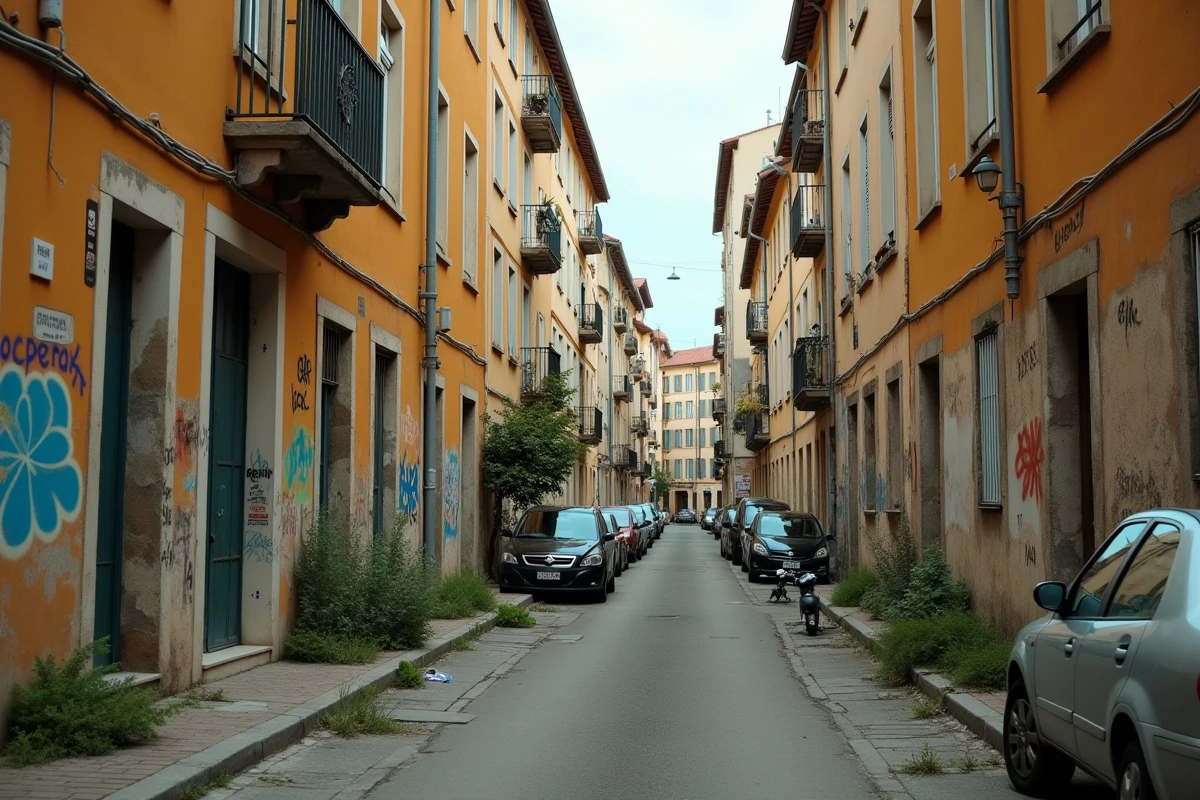
The pockets identified as less calm correspond to the surroundings of certain social housing blocks, particularly in the Sainte-Marguerite area and part of Cabot. The nuisances there are linked to population density, a lack of public lighting in some areas, and nighttime gatherings.
The most cited friction points by residents
- The surroundings of some social residences in Sainte-Marguerite, where recurring incivilities (noise, illegal dumping) contribute to a feeling of insecurity despite crime statistics not being particularly high
- Some busy roads in Cabot in the evening, where chaotic parking and dense traffic create tensions between residents and drivers
- The isolated paths leading to the Calanques (Sormiou, Morgiou) after dark, mainly due to the lack of lighting and foot traffic, not documented criminal activity
This distinction matters for an investor or a future resident: a neighborhood perceived as unpleasant at night is not necessarily a high-risk area.
Residential and quiet neighborhoods of the 9th arrondissement of Marseille
In contrast to these micro-areas, several neighborhoods in the 9th are among the most sought-after residential sectors in the city. Redon is the most telling example: median prices per square meter there reach levels comparable to those in the sought-after areas of the 8th arrondissement. Such a price level is generally incompatible with an image of a crime-ridden neighborhood.
Mazargues retains a village character, with its local shops, schools, and an active neighborhood life. Les Baumettes, despite the proximity of the prison (which has no documented impact on the safety of the residential neighborhood), remain a calm and green area.
What distinguishes the safest sectors
- A predominance of single-family homes and small condominiums, which reduces population density and neighborhood conflicts
- The immediate proximity of the Calanques National Park, which attracts families and sports enthusiasts
- An active local community fabric and well-rated educational facilities (the average education rating reaches 7.11 out of 10 according to Ville-Idéale)
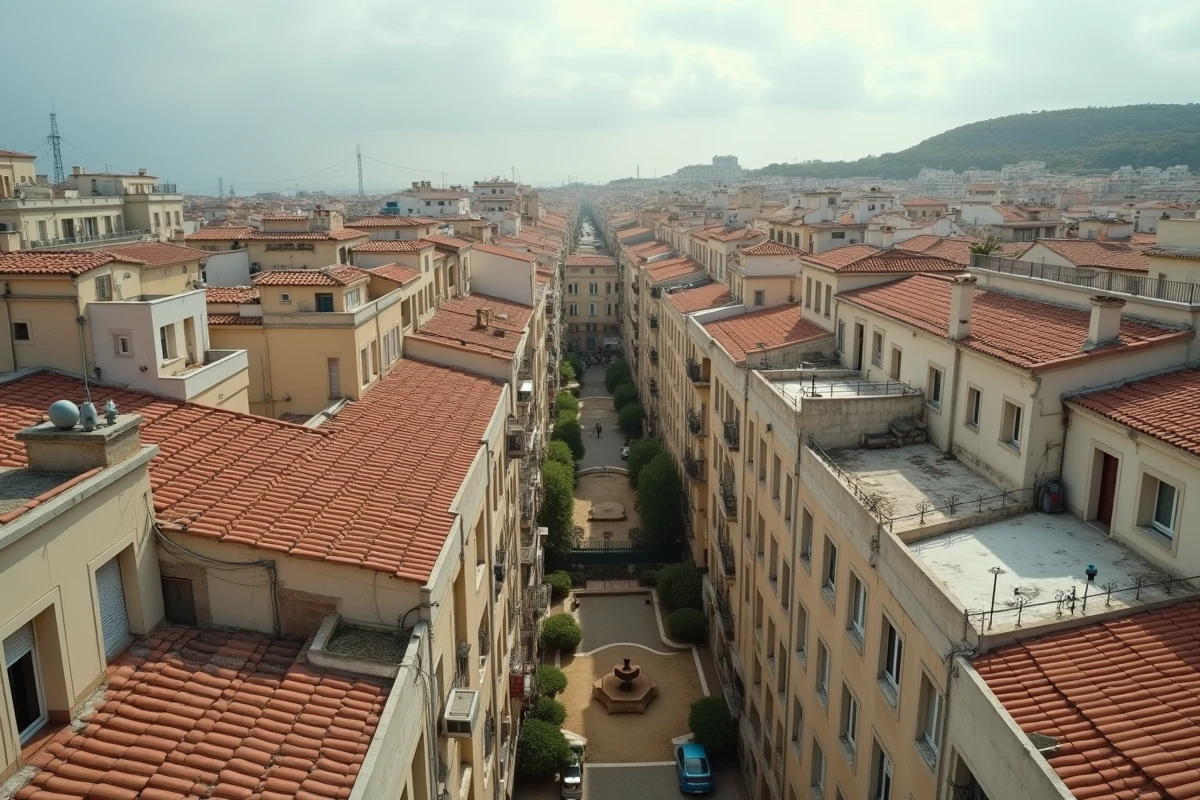
Security map of the 9th: reading the north-south contrasts of the arrondissement
The 9th arrondissement stretches from Cabot in the north to Carpiagne and the Calanques in the south. The security logic roughly follows this axis: the further down you go towards the coast and the hills, the more residential and calm the environment becomes.
The northern part of the arrondissement (Cabot, Sainte-Marguerite) is better served by public transport, denser, and concentrates almost all reports of nuisances. The southern part (Le Redon, Sormiou, Vaufrèges) offers a semi-rural environment, very few social housing units, and marked calm both during the day and in the evening.
This geography explains why online reviews of the 9th are so contrasting. A resident of Redon and a resident of Sainte-Marguerite do not experience the same reality, even while sharing the same postal code.
For a purchase or rental investment, the precise location within the 9th is as important as the choice of the arrondissement itself. The Luminy campus, for example, generates stable student rental demand in a valued natural setting, making it a unique sector in the Marseille real estate landscape. The relevant lens remains that of the neighborhood, never that of the postal code.