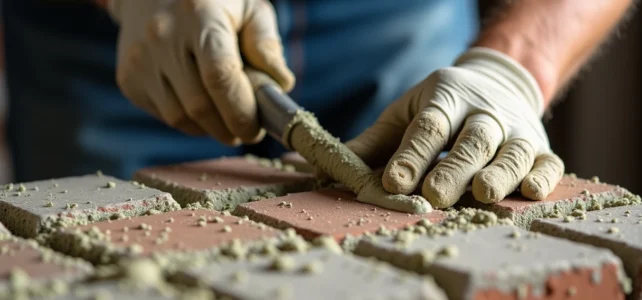
When undertaking masonry work, you must understand the importance of drying time for different types of mortars. This time, often overlooked, can determine the strength and durability of the structure. Different mortars, whether cement-based, lime-based, or plaster-based, require specific drying times to reach their optimal strength.
Adhering to these deadlines helps avoid cracks, sagging, or other structural defects that could compromise the integrity of the work. Good planning and rigorous patience are therefore the keys to ensuring a successful and durable masonry job.
The different types of mortars and their applications
The cement mortar is one of the most commonly used in masonry work. Composed of cement, sand, and water, it is mainly used for making floor screeds, joints, and coatings. Its drying time varies depending on the thickness and climatic conditions, but it is generally 24 to 48 hours for initial setting.
The hybrid mortar, a mix of cement and lime, offers increased flexibility and better adhesion. It is particularly suited for rehabilitation work and old constructions. Its drying time is similar to that of cement mortar, but it usually requires a few extra days to reach its maximum strength.
For work requiring vapor permeability, lime mortar is preferred. Mainly used for facade coatings and load-bearing walls, this type of mortar takes longer to dry, often between 7 and 14 days.
- Adhesive mortar: used for laying tiles and natural stones. MAP drying time: about 24 hours.
- Refractory mortar: essential for chimneys and stoves, capable of withstanding high temperatures.
- Water-repellent mortar: used for surfaces exposed to water, such as swimming pools and basements.
The choice of mortar must be adapted to the specifics of each project. Understanding the characteristics and applications of each type of mortar will allow you to optimize the durability and quality of your masonry work. 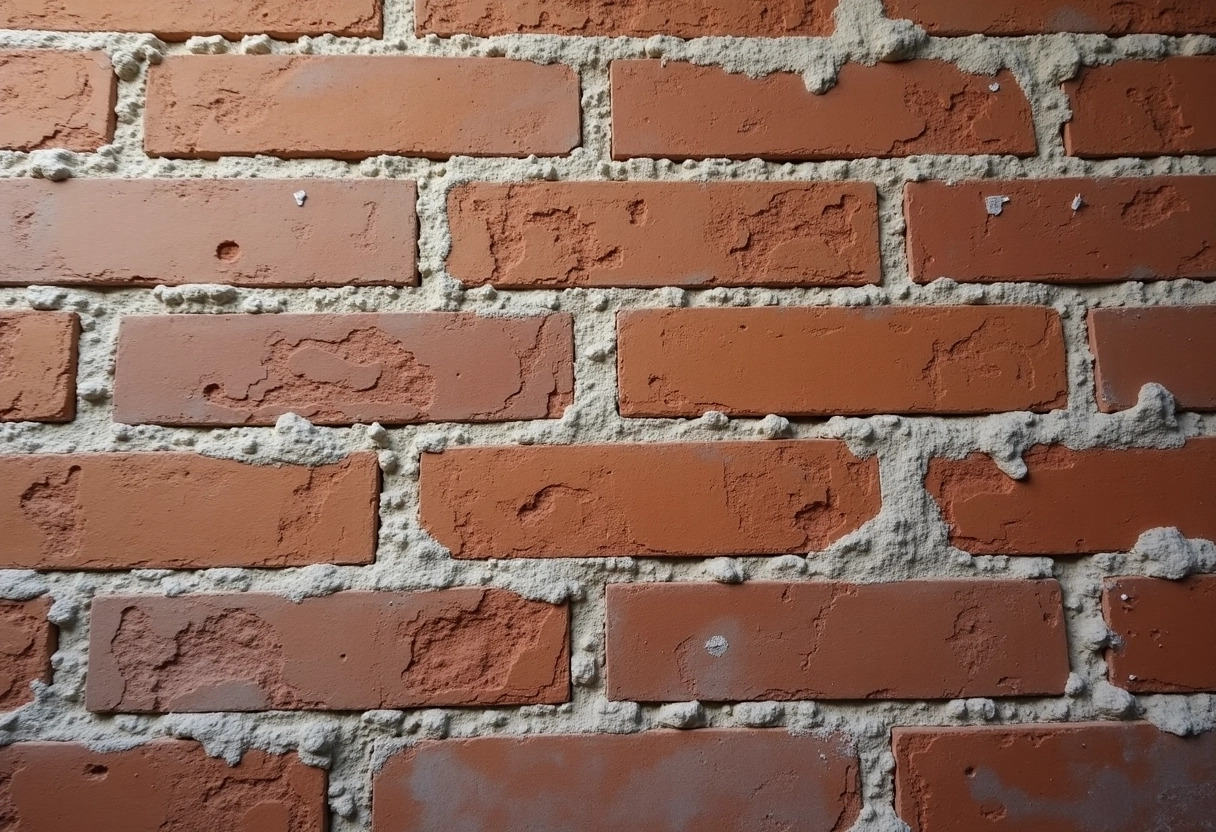
Drying time: a key factor for the success of your masonry work
The drying time of the mortar is a fundamental parameter for the durability and strength of masonry. Each type of mortar, whether cement mortar, hybrid, or lime, has its own drying time, influenced by various factors: thickness of the applied layer, climatic conditions, and proportions of the components.
Factors influencing drying time
- Layer thickness: The thicker the layer of mortar, the longer the drying time will be.
- Climatic conditions: Temperature and humidity play a decisive role. High temperature and low humidity accelerate drying, while high humidity and low temperatures slow it down.
- Proportions of components: The presence of lime or additives significantly alters the drying time.
To ensure the quality of your work, strictly adhere to the drying recommendations. For example, a cement mortar generally requires 24 to 48 hours for initial setting, while a lime mortar may take up to 14 days to reach its maximum strength.
Precautions to take
- Protection against the elements: Cover freshly laid surfaces to protect them from rain or frost.
- Humidity control: Maintain adequate humidity during drying to avoid cracks.
- Respect drying times: Do not subject the mortar to loads before the recommended drying time is complete.
Understanding and mastering the drying time of different types of mortars is essential for the success of your masonry work. Adapt your practices according to the specifics of each project to ensure optimal consistency and strength.